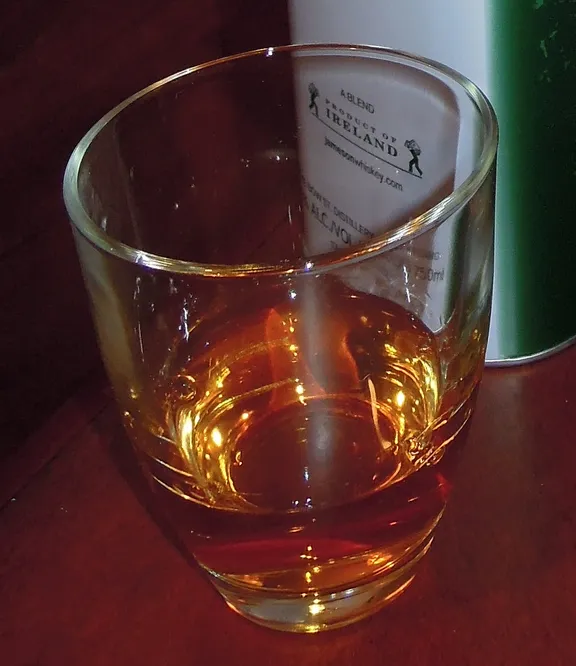
Small Bottles, Big Ideas: How Dublin's Craft Spirits Scene Quietly Became the One UK Drinkers Can't Ignore
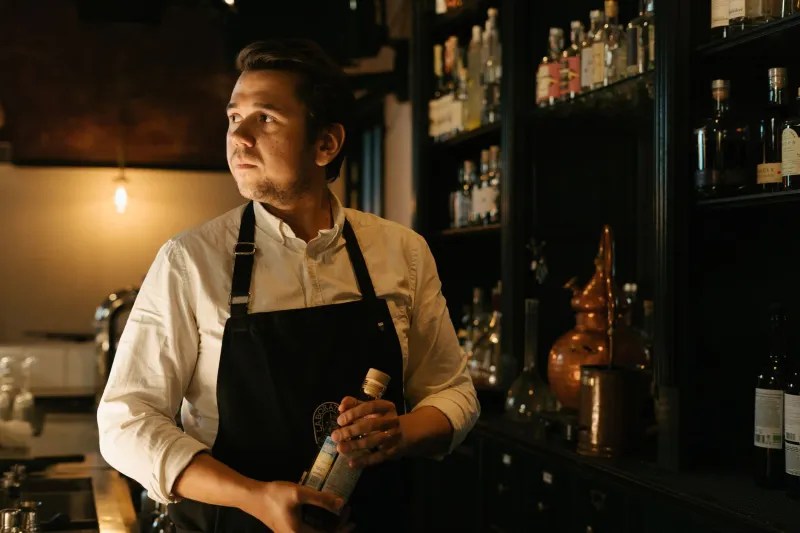
There's a version of Dublin that British visitors have carried in their heads for decades. Pints of stout. Whiskey neat. Maybe an Irish Coffee if the evening calls for it. It's a comfortable picture, and honestly, there's nothing wrong with it. But spend a Friday evening working your way through Temple Bar's back bars and laneway venues right now, and you'll find something that picture entirely fails to capture.
Dublin has a craft spirits problem. Specifically, it has so many interesting ones that knowing where to start has become genuinely difficult.
The Shift Nobody Saw Coming
Cast your mind back ten years. The Irish whiskey category was essentially a two-horse race in most UK minds — Jameson for the rounds, Bushmills if you were feeling particular. Craft gin was exploding across Britain, with distilleries popping up from Cornwall to Caithness, but Ireland felt like it was watching from the sidelines.
What changed wasn't a single moment. It was more like a slow tide. A handful of small distilleries began appearing across the Republic, many of them founded by people who'd watched the Scottish craft whisky boom with barely concealed frustration. Why couldn't Ireland do the same? The heritage was there. The water was there. The appetite, it turned out, was absolutely there.
"We had this extraordinary raw material in Irish tradition and we were barely scratching the surface of it," says Ciarán Doyle, head bartender at one of Temple Bar's more adventurous cocktail venues. "Poitín alone — people have been making it for centuries here. It's only recently that we started treating it like the serious spirit it actually is rather than something to be embarrassed about."
Poitín, for the uninitiated, is Ireland's original distilled spirit. Unaged, typically made from malted barley or grain, it was illegal for most of the twentieth century and carries all the romantic outlaw energy that suggests. Legal commercial versions have been available since the 1990s, but it's only in the last five or six years that bartenders have genuinely embraced it as a cocktail base rather than a novelty.
What the Bars Are Actually Serving
Walk into the right Temple Bar venue on any given evening and you'll find cocktail menus that would feel at home in the more experimental corners of London's drinks scene — except the ingredients list reads like a love letter to the island of Ireland.
Poitín sours with blackcurrant and sea buckthorn. Irish gin and tonics built around locally foraged botanicals — gorse flower, sea herbs, bog myrtle. Whiskey highballs using single-pot still expressions that most British drinkers have never encountered, served long and cold in a way that makes the spirit's distinctive oily texture genuinely sing.
"Single-pot still is the style that's really unique to Ireland," explains Niamh Walsh, who runs cocktail training for bar staff across several Temple Bar establishments. "It uses a mash of both malted and unmalted barley, which gives this rich, spicy, almost creamy character. There's nothing quite like it produced anywhere else in the world. British visitors who try it properly — in the right serve — are often genuinely surprised. They came in expecting something familiar and got something completely new."
The Irish gin boom deserves particular attention. While the UK was busy launching approximately four hundred new gins between 2015 and 2020, Ireland was doing something similar but with its own distinct personality. Distilleries like Bertha's Revenge (built around sweet whey spirit), Glendalough, and Drumshanbo Gunpowder Irish Gin began attracting serious attention. In Temple Bar's cocktail bars, these bottles now sit alongside the Hendrick's and Tanqueray without any apology.
The Distillery Story Behind the Glass
What makes the Temple Bar drinks scene particularly compelling is that it doesn't exist in isolation. Dublin is close enough to several of the new wave distilleries that the relationship between producer and bartender has become genuinely collaborative.
"We have distillery people coming in regularly," says Doyle. "They'll bring new releases, new experiments. We'll try things, give feedback, develop serves together. It's a conversation that didn't really exist five years ago because the distilleries didn't exist five years ago."
The Slane Distillery, operating out of a castle in County Meath less than an hour from Dublin, has been particularly active in building those relationships. Teeling Whiskey, founded in the Liberties neighbourhood just west of Temple Bar, essentially kicked off the Dublin distilling revival when it opened in 2015 — the first new distillery in the city for over 125 years. Roe & Co followed in 2019, operating out of a restored former Guinness power station.
For British visitors, this geography matters. A trip to Temple Bar can now function as a genuine introduction to an entire regional spirits culture, not just a round of familiar drinks in a historic setting.
Why UK Cocktail Drinkers Are Making the Trip
The numbers tell an interesting story. Anecdotally, bar staff across Temple Bar report a noticeable increase in British visitors who arrive with specific drinks knowledge — people who've done their research, who ask about particular distilleries, who want to try the poitín-based menu rather than defaulting to whatever's familiar.
It makes a certain kind of sense. The UK craft spirits scene, for all its brilliance, has become almost overwhelming. The gin category in particular has reached a level of saturation where genuine discovery feels harder. Dublin offers something different: a scene that's still in its exciting middle chapter, where the innovations feel fresh and the bartenders are genuinely enthusiastic rather than exhausted by the whole thing.
There's also the simple pleasure of drinking in a city that wears its relationship with hospitality so comfortably. The best Temple Bar bars manage to combine genuine craft ambition with the kind of relaxed, unhurried atmosphere that makes a two-hour session feel like the most natural thing in the world. You're not performing appreciation in a hushed cocktail temple. You're having a brilliant drink in a place that's genuinely glad you're there.
Where to Begin
If you're planning a visit and want to explore beyond the obvious, a few practical thoughts. Start with a single-pot still whiskey served simply — a good bar will guide you to the right expression and explain what you're tasting. Move on to one of the Irish gin serves, ideally something built around local botanicals that you wouldn't encounter in a UK bar. If you're feeling adventurous, ask what they're doing with poitín. Any bartender worth their salt will have an answer.
The craft spirits revolution in Dublin didn't announce itself with a press release or a flashy campaign. It arrived gradually, quietly, in small bottles and considered pours and conversations between distillers and bartenders who believed the island had more to say about spirits than anyone had bothered to listen to.
They were right. And Temple Bar, right now, is one of the best places in these islands to hear what it's been saying.