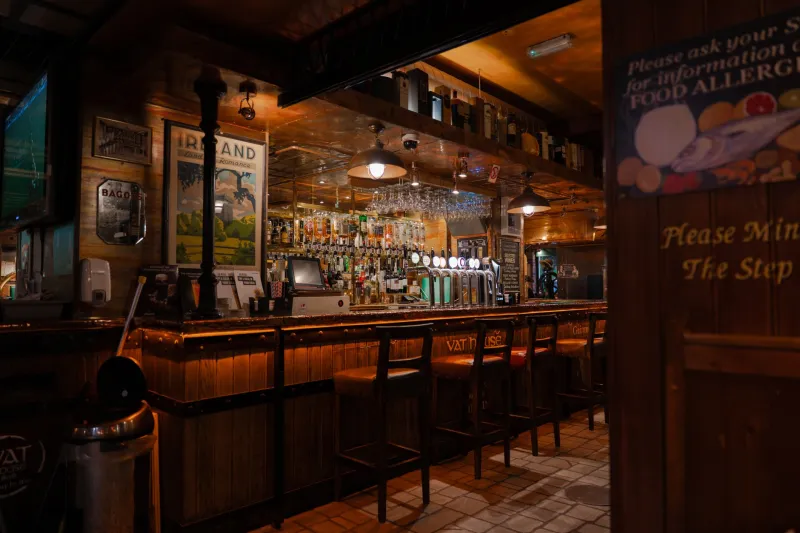
Shaken, Stirred, and Distinctly Irish: Why Temple Bar Is the UK's Favourite Cocktail Escape
There's a moment — usually around the second drink — when visitors from across the water start to realise that Dublin's cocktail scene is something they weren't quite prepared for. Not in a bad way. In the way that a well-made Negroni surprises you when you were only expecting something decent. Temple Bar, long dismissed by serious drinkers as a cobblestoned corridor of overpriced lager and hen parties, has been quietly, methodically reinventing itself. And the people leading that reinvention are behind the bar.
The Shift Nobody Saw Coming
Five years ago, if you'd told a bartender in Soho that Dublin's Temple Bar district was about to become a genuine pilgrimage point for cocktail enthusiasts, they'd have smiled politely and changed the subject. The area had a reputation — earned, if we're honest — for leaning heavily into tourist expectations rather than challenging them.
But something shifted. A new generation of Irish bartenders, many of them trained in London, New York, and Tokyo, started coming home. They brought technique with them. What they found waiting was an extraordinary raw material: Irish whiskey in the middle of a full-blown renaissance, a growing craft spirits scene producing everything from Atlantic gin to single-pot-still rarities, and a food culture that was finally being taken seriously on the world stage.
The result is a cocktail movement that feels distinctly rooted in place. These aren't drinks that could have been made anywhere. They taste like Ireland.
Irish Whiskey: The Secret Weapon
Ask any bartender in Temple Bar what separates their cocktail list from what you'd find in Edinburgh or Bristol, and they'll almost certainly reach for a bottle of Irish whiskey. Not Jameson — though there's nothing wrong with Jameson — but the newer, more characterful expressions that have been quietly accumulating awards and attention over the past decade.
Single pot still whiskey, in particular, has become a kind of house spirit for the more adventurous bars around here. Its distinctive spicy, creamy profile — the result of using a mix of malted and unmalted barley — plays beautifully with bitters, vermouth, and citrus in ways that Scotch and bourbon simply don't replicate. Bartenders have been building entire menus around it, twisting classic formats like the Old Fashioned and the Sour until they become something new.
One approach you'll encounter repeatedly is the use of Irish dairy — specifically, a butter-washed spirit technique that sounds alarming and tastes extraordinary. Imagine the richness of good Irish butter folded into a whiskey cocktail, then clarified until it's silky smooth. It shouldn't work. It absolutely does.
Forgotten Flavours, Rediscovered
What makes the Temple Bar cocktail scene genuinely exciting rather than merely competent is its willingness to dig into history. Irish food and drink culture has centuries of tradition to draw from — meadowsweet cordials, sloe and blackberry infusions, seaweed-tinged coastal spirits — and the best bartenders here are treating those traditions like a recipe book rather than a museum exhibit.
You'll find drinks built around poitín, the once-illicit Irish spirit that's now entirely legal and surprisingly versatile. You'll find cocktails incorporating Irish breakfast tea, cold-brew stout, and foraged hedgerow fruits. There's a genuine conversation happening between the glass and the landscape outside, which is something you rarely encounter in city centre bars anywhere.
This isn't novelty for its own sake. The flavours are grounded, familiar in some half-remembered way, even if you've never set foot in Ireland before. That's the thing about good bartending — it tells you something true about where it comes from.
Why British Visitors Keep Coming Back
The flow of drinkers from London, Manchester, Edinburgh, and beyond into Temple Bar has become something of a talking point among the bar community here. Weekend trips built specifically around bar-hopping have become a legitimate thing. People aren't just stumbling in after a flight — they're researching, booking, planning.
Part of the appeal is the price. Dublin isn't cheap, but cocktails here tend to be meaningfully better value than in central London, where a single drink at a credentialed bar can set you back the better part of a twenty. Part of it is the atmosphere — Irish hospitality is a real thing, not a marketing slogan, and the warmth of service in even the most technically ambitious bars here keeps the experience from feeling precious or intimidating.
But mostly, it's the drinks themselves. There's a confidence to what Temple Bar's best bartenders are doing that comes from knowing exactly who they are and where they're from. They're not trying to be London. They're not trying to be New York. They're trying to be Dublin, and right now, Dublin is a genuinely interesting place to be.
What to Order When You Arrive
If you're planning a trip and want to hit the ground running, a few pointers. Start with a cocktail built on single pot still whiskey — ask the bartender what they're excited about and let them guide you. If poitín is on the menu, try it; the best expressions are nothing like the firewater reputation suggests. Look for anything incorporating local or foraged ingredients, particularly if the bar makes its own cordials or infusions in-house.
And don't skip the classics entirely. A well-made Whiskey Sour using good Irish whiskey and fresh egg white is a benchmark drink, and how a bar handles it tells you a lot about everything else they'll serve you.
Temple Bar has earned its second chance. Come and taste it for yourself.