What the Bartender Already Knows About You Before You've Said a Word
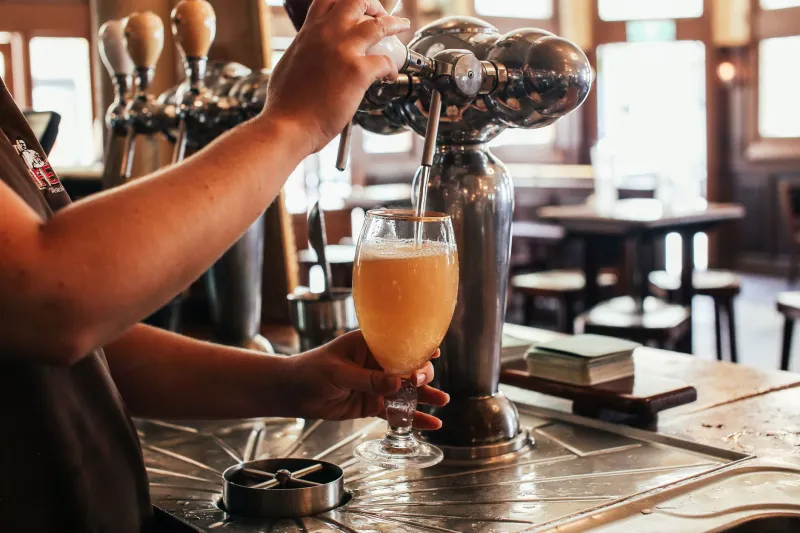
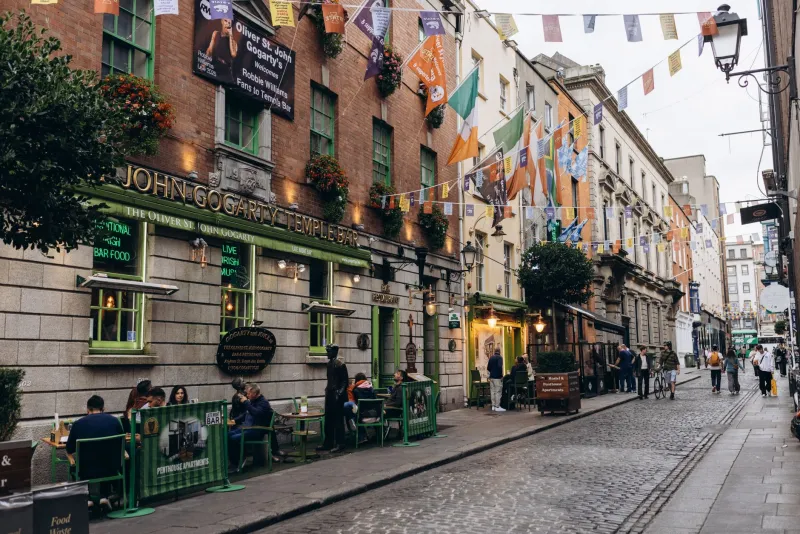
There's a particular kind of knowledge that only comes from standing behind a bar in Temple Bar for a few years. You learn to read people the way a sailor reads weather — quickly, quietly, and with a fair degree of accuracy. The experienced bartenders and floor staff who keep Dublin's most storied pubs running have seen every type of visitor imaginable, and they'll tell you the same thing: it's rarely the big moments that define someone's experience. It's the small ones.
So before you step off the cobblestones and push open one of those heavy wooden doors, here's what the people on the other side of the bar actually wish you knew.
The Queue Isn't Invisible Just Because It's Not Signposted
British visitors are famously good at queuing. Dublin pubs, however, don't operate on a strict first-come-first-served visible line — and that can throw people. What replaces the queue is something more like a mental register that the bartender keeps in their head. They know who arrived when. They're working through it. Waving a twenty in the air, snapping fingers, or saying "excuse me" in an escalating tone of desperation doesn't move you up the list — it just makes you memorable for the wrong reasons.
The move is to catch the bartender's eye once, give a nod, and then let them come to you. They will. Trust the system.
Knowing What You Want Is a Form of Respect
A busy Friday evening in Temple Bar is not the ideal moment to start a philosophical debate about which whiskey you might fancy. Nobody minds a brief question — the staff genuinely enjoy talking about what they serve. But arriving at the bar with no idea what you're after, while three people wait behind you, is the kind of thing that gets quietly noted.
If you're new to Irish whiskey, it's completely fine to say so. "I usually drink Scotch — what would you recommend that's similar?" lands very differently to a blank stare followed by "I dunno, surprise me." One is an invitation to a conversation. The other is homework that nobody signed up for.
Tipping Isn't Mandatory, But It Speaks Volumes
Ireland isn't America. Nobody is going to follow you out the door if you don't leave a tip, and bar staff won't perform visible disappointment if the coins stay in your pocket. But here's the thing — if you've had a good time, if someone recommended the right Jameson, if a member of staff remembered your name on a return visit, a tip is the most direct way of saying "I noticed that."
The going rate is loose rather than calculated. Rounding up on a round, leaving a euro or two at the end of the night, or simply saying "and one for yourself" — a phrase that still carries genuine warmth in Irish pub culture — all of these land well. What doesn't land is the very British habit of ostentatiously calculating 10% on a phone calculator and then debating it out loud.
Conversation Is an Art Form Here — Learn When to Join It
One of the things that makes Temple Bar's best pubs feel different from a chain bar back home is that conversation actually happens. Strangers talk to each other. Bartenders engage with genuine curiosity. Regulars hold court. It's one of the things British visitors consistently mention when they describe what made their trip.
But there's a timing to it. Walking in and immediately launching into a loud retelling of your journey from the airport is not the same as falling naturally into a chat. The best conversations in a Dublin pub tend to start small — a comment about the match on the screen, a question about a particular bottle on the shelf, a bit of gentle back-and-forth about where you're from. Let it develop at its own pace.
Equally, knowing when not to talk is its own skill. A regular nursing a quiet pint at the end of the bar might not want company, and a good bartender who's in the middle of a rush doesn't need a life story. Read the room. It sounds obvious, but you'd be surprised.
The Traditional Session Isn't a Soundtrack — It's the Point
When live music starts up in a Temple Bar pub — the fiddles, the bodhrán, the occasional burst of something you half-recognise — the instinct for many visitors is to film it. Which is fine, up to a point. But treating a traditional session like a performance laid on for your Instagram is a quick way to miss what's actually happening.
These musicians are often playing for the love of it. They're not a cabaret act. Clapping along enthusiastically on the wrong beat, requesting songs, or talking loudly over the music are the kinds of things that earn a look from the regulars. The better approach is to just listen for a while. Order another round. Let it wash over you. That's when it starts to make sense.
Rounds Culture Is Real and It Matters
If you're drinking in a group, the round system operates differently in Dublin than it might on a Saturday night in Manchester. It's more ceremonial, more social, and more loaded with meaning than it might appear. When it's your round, you go to the bar. You don't suggest splitting it. You don't offer to Venmo someone later. You go, you buy, and you come back.
Skipping your round — or worse, quietly leaving just before it's your turn — is noticed. Not necessarily commented on, but noticed. Conversely, stepping up confidently when it's your turn, knowing what everyone's drinking, and returning with the full order intact is the kind of thing that earns you a warm place in the evening.
Nobody Expects Perfection — Just a Bit of Awareness
Here's the thing that all of this is really pointing towards: nobody in Temple Bar is waiting to catch visitors out. The bartenders aren't scoring you. The regulars aren't secretly judging your pronunciation of "Taoiseach." Irish hospitality is genuine, and it extends a long way.
What the best pubs here do notice — and what they quietly appreciate — is when someone walks in with a bit of curiosity, a bit of patience, and a willingness to engage on the pub's own terms rather than demanding it conform to wherever they've just come from. That's not a high bar. It's actually quite a pleasant one.
Get that right, and the rest tends to take care of itself.