The Art of the Pint and a Chat: Why Dublin Pubs Do Conversation Differently
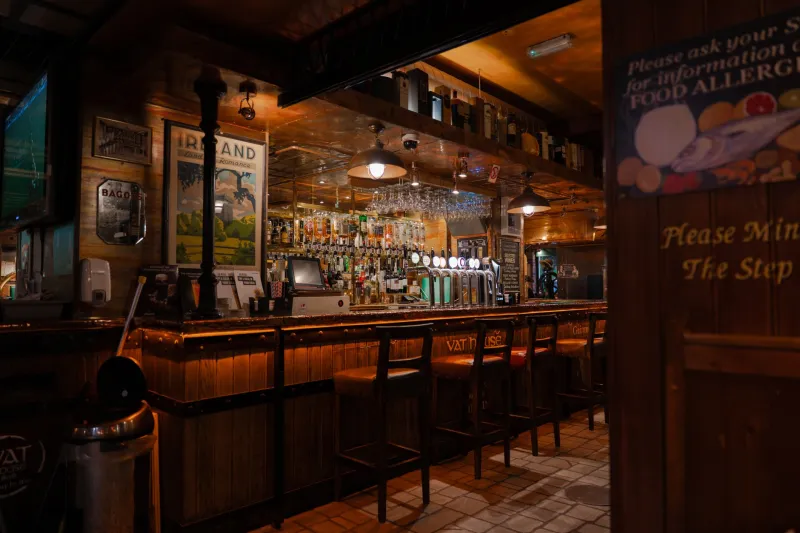
Walk into a Dublin pub for the first time and something feels subtly different from your local back home — but it takes a while to put your finger on what, exactly, that something is. It's not just the Guinness, though that helps. It's not the accents, or the bar snacks, or even the fact that someone at the end of the bar is already trying to catch your eye. It's the whole atmosphere of the place — an invisible architecture of social expectation that's been quietly refined over centuries.
British visitors, particularly those making the short hop from London or Manchester, often arrive with the assumption that a pub is a pub. They leave with a rather different view.
What 'Craic' Actually Means
The word gets thrown around a lot in tourist literature, usually attached to pictures of people raising pints and looking delighted about it. But craic — pronounced 'crack', for the uninitiated — is a more nuanced concept than the marketing suggests.
At its core, it describes a quality of atmosphere rather than a quantity of fun. Good craic can be loud and raucous, yes, but it can equally be a quiet corner conversation that runs from football to philosophy to someone's recently deceased uncle and back again, all within the space of forty minutes. What it requires, always, is genuine engagement. Half-hearted small talk doesn't really qualify.
In a proper Dublin pub, this isn't something that happens by accident. It's something the space itself is designed to encourage.
The Architecture of Connection
Spend any time studying the layout of Dublin's traditional pubs and you start to notice patterns. The snug — a small, semi-enclosed booth, often with a hatch directly to the bar — is the most obvious example. Originally designed to give women and clergy a degree of privacy in an era when both had complicated relationships with public drinking, the snug has evolved into something else entirely: a space that creates intimacy without isolation, allowing a small group to feel genuinely separate from the main bar while remaining connected to its energy.
The bar counter itself is another piece of deliberate design. In many Dublin pubs, it's long, curved, or angled in ways that naturally bring strangers into each other's peripheral vision. You're not facing the person next to you — that would be too direct, too confrontational — but you're close enough that a comment about whatever's on the television feels natural rather than intrusive. The whole thing is calibrated for the kind of conversation that starts sideways and ends up somewhere unexpected.
Compare this to the average British pub, which has increasingly migrated toward table service, booths, and layouts that keep groups separate. Both approaches have their merits. But they produce very different social outcomes.
The Bartender as Social Architect
In Dublin, the person behind the bar carries a different weight of expectation than their British counterpart. Speed and accuracy matter, naturally. But so does something harder to quantify — a read of the room that allows them to judge when a customer wants to be left alone, when they're open to conversation, and when they're the kind of person who'll lift the entire bar's mood if given the right opening.
Good Dublin bartenders are, in a very real sense, trained conversationalists. They remember names, they ask questions that don't require long answers, and they know how to introduce strangers to each other without it feeling forced. It's a skill that takes years to develop and is genuinely rare — which is part of why the good pubs become the good pubs, and why regulars stay loyal long past the point of convenience.
For British visitors used to the transactional model — order, pay, retreat to your table — this level of engagement can feel startling at first. Some people find it intrusive. Most, once they've relaxed into it, find it the best part of the evening.
The Unspoken Rules
Every social space has its etiquette, and Dublin pubs are no exception. Some of it is explicit — the rounds system, for instance, is taken seriously enough that opting out requires a polite explanation rather than a simple refusal. To accept drinks from a group and then fail to reciprocate is a social misstep that will be remembered.
But much of it is unspoken and takes a little while to absorb. Sitting at the bar is a signal that you're open to conversation — choosing a table suggests you'd prefer your own company. Asking the bartender a question about the area is an accepted opening gambit; launching into a story about yourself without invitation is not. Disagreement is welcomed, even encouraged, but aggression is a different matter entirely — Dublin pub culture has a low tolerance for people who can't distinguish between the two.
Perhaps most importantly: silence is fine. This surprises a lot of visitors, who arrive expecting constant performance. In reality, a comfortable quiet between strangers at a Dublin bar is itself a form of connection — a shared acknowledgement that not everything needs to be said.
Why It Travels Differently
There's a reason Irish pub culture has been exported around the world with more success than almost any other national drinking tradition. The formula — warm lighting, dark wood, good music at a volume that allows speech, staff who treat you like a person — turns out to be remarkably transferable.
But the soul of it, the thing that makes a Dublin pub in Dublin feel different from an Irish pub in Leeds or London, is harder to bottle. It's the accumulation of history in the walls, the genuine community of regulars who've been coming for years, and the particular quality of attention that the best bartenders and the best customers bring to the shared project of a good evening.
Come to Temple Bar with that in mind, and you'll find it. It might take a second pint and a willingness to sit somewhere slightly uncomfortable. But it'll be worth it.